As an Amazon Associate, Noted Deals earns from qualifying purchases. Disclosure
The safest gift for a photographer is one that fits whatever camera they already own, and a lot of good camera gear does. A lens-cleaning kit, a reflector, a rain sleeve and a good book work the same with a mirrorless camera, a DSLR or an older compact, and three of the seven picks here suit someone who shoots mostly on a phone too. You don't need to know a brand, a lens or a single setting to buy any of them.
Camera gifts usually go wrong on one of three details: the memory card the camera takes, the thread size on the front of the lens, and the way a strap attaches. Each pick's notes say which detail it depends on, if any. Where we could, we chose the version that depends on none, like a card wallet that holds every common card type, and a section further down explains how to find each detail with a glance at the camera rather than a question that gives the game away.
Every pick lists at or under $50 on its maker's or publisher's own store, at the regular price. We read each maker's page on November 24, and the specs below are theirs. We haven't held or used these products.
The gifts
7 products-
 1 The safe bet for any camera
LensPen DSLR Pro Kit (NDSLRK-1)
Check price on AmazonList price at lenspen.com $28.95As of November 24, 2026. Amazon's price may differ.
-
 2 For the camera that's always in hand
Peak Design Cuff Camera Wrist Strap, Black (CF-BL-3)
Check price on AmazonList price at peakdesign.com $39.95As of November 24, 2026. Amazon's price may differ.
-
 3 For portraits, phone included
Westcott Illuminator QuickGrip 5-in-1 Reflector, 30 Inch (1511)
Check price on AmazonList price at fjwestcott.com $39.90As of November 24, 2026. Amazon's price may differ.
-
 4 For the one with cards in every pocket
Think Tank Secure Pixel Pocket Rocket V2 Memory Card Wallet, Black Slate
Check price on AmazonList price at thinktankphoto.com $23.75As of November 24, 2026. Amazon's price may differ.
-
 5 For the one still shooting on auto
Understanding Exposure, Fourth Edition, by Bryan Peterson (Paperback)
Check price on AmazonList price at penguinrandomhouse.com $30.00As of November 24, 2026. Amazon's price may differ.
-
 6 For the one in a creative rut
The Photographer's Playbook, edited by Jason Fulford and Gregory Halpern (Paperback)
Check price on AmazonList price at store.aperture.org $24.95As of November 24, 2026. Amazon's price may differ.
-
 7 For the stocking, and the rain
OP/TECH USA Rainsleeve, Original, 2 Pack (9001132)
Check price on AmazonList price at optechusa.com $10.49As of November 24, 2026. Amazon's price may differ.
Paid link. We may earn a commission; your price is the same.
1 The safe bet for any camera
LensPen DSLR Pro Kit (NDSLRK-1)
- Liquids
- None
- Pens
- 3: LensPen, FilterKlear, MicroPro
- Use
- About 500 dirty-lens cleanings, per LensPen
Paid link. We may earn a commission; your price is the same.
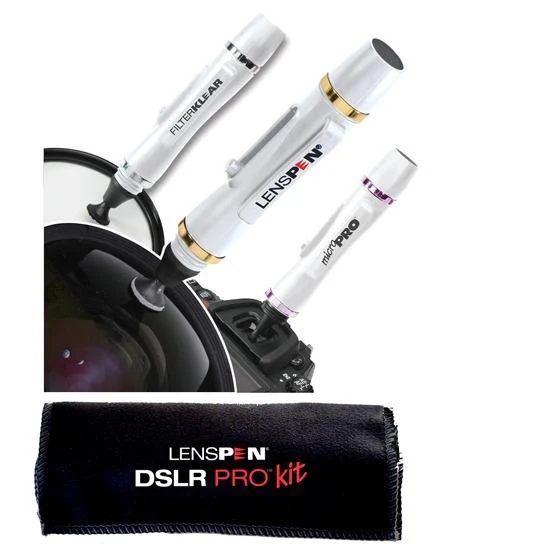
Every photographer smudges a lens, and most of them wipe it on a shirt. LensPen's DSLR Pro Kit is the proper tool in three sizes: the original LensPen, with a 12 mm tip that's slightly concave to match the curve of a lens; FilterKlear, with a flat 12 mm tip for screw-on filters; and MicroPro, with a 4 mm tip for a viewfinder's eyepiece and other small optics, which makes it the one for a phone's camera lenses too. Each pen has a retractable brush for dust, and the microfiber pouch doubles as a cleaning cloth.
Despite the name, nothing in it is tied to a DSLR. LensPen sells the kit as everything a photographer needs to keep camera lenses, viewfinders and filters clean, so it suits a mirrorless camera or a compact just as well. That's why it's the safe bet when you know nothing about their gear.
There's no liquid to spill or dry out. The tips carry a carbon compound that lifts fingerprint oil, and twisting the cap back on recharges the tip; LensPen says one pen cleans a really dirty lens about 500 times and is safe on all lenses and lens coatings. LensPen's Hurricane Blower, a rubber bulb that puffs dust away, is a small add-on that keeps the pair well under $50.
The catches: plenty of photographers already carry a LensPen, though spares for the bag and the desk rarely go to waste. And the pens are for dry glass. LensPen's instructions say to brush grit off first and not to use the tip on wet or plastic surfaces.
Good
- Three pens: lens, filter and viewfinder tips
- No liquid; the cap recharges the tip
- Fits any camera, and the small pen suits phone lenses
Worth knowing
- Many photographers own one LensPen already
- Dry glass only: not for wet or plastic surfaces
All specs
- Pens 3: LensPen, FilterKlear, MicroPro
- Liquids None
- Use About 500 dirty-lens cleanings, per LensPen
- Lens tip 12 mm, slightly concave
- Filter tip 12 mm, flat
- Viewfinder tip 4 mm (MicroPro)
- Brush Retractable, on each pen
- Also in the box Microfiber pouch that works as a cloth
- Model NDSLRK-1
From lenspen.com, checked November 24, 2026.
2 For the camera that's always in hand
Peak Design Cuff Camera Wrist Strap, Black (CF-BL-3)
- Weight
- 50 g (1.8 oz)
- Length
- 8 to 11.4 in (20 to 29 cm)
- Anchors
- 2, each holds over 200 lb (90 kg)
Paid link. We may earn a commission; your price is the same.
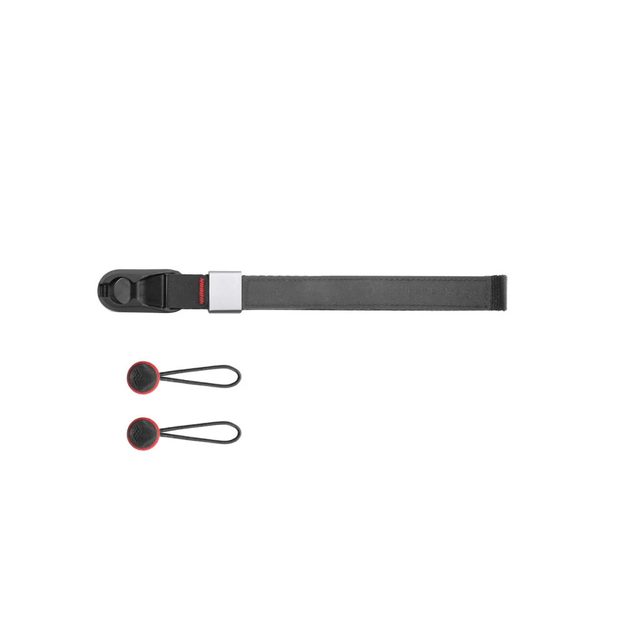
A camera strap is a gift people rarely buy themselves, because the one in the box works well enough. Peak Design's Cuff is a wrist strap for a camera carried in the hand: a loop of seatbelt-style webbing that locks open to slip a hand through or cinches down on the wrist, and Peak Design says it tightens on its own if the camera is dropped. Between shots, a magnet holds the loose end, so it can be worn as a bracelet.
It fits whatever camera they own because of how it attaches. The strap clips to a small Anchor, a disc on a cord that loops through the camera's strap loop, the same metal loop or slot the current strap uses. Peak Design says Cuff connects to any camera and that each Anchor holds over 200 pounds (90 kg), and there are two in the box, so a second camera can carry one. The strap weighs 50 grams (1.8 ounces) and adjusts from 8 to 11.4 inches, with room for palms more than 5 inches wide.
The one detail to check: look at the side of the camera for the loop where the current strap attaches. If there's one, the Anchor goes there.
The catches: a wrist strap suits a camera that lives in the hand, so someone who carries a big camera and a long lens all day will still want a neck or sling strap. And the listing here is the black one, model CF-BL-3; Peak Design makes it in several other colors, which Amazon sells as separate listings.
Good
- Attaches to any camera with a strap loop
- Two Anchors in the box for a second camera
- Worn as a bracelet between shots
Worth knowing
- A wrist strap only: no help carrying a big camera all day
- Needs a strap loop on the camera for the Anchor
All specs
- Weight 50 g (1.8 oz)
- Length 8 to 11.4 in (20 to 29 cm)
- Anchors 2, each holds over 200 lb (90 kg)
- Fits Palms over 5 in (13 cm) wide
- Strap Seatbelt-style nylon webbing
- Hardware Aluminum and glass-filled nylon
- In the box Cuff, 2 Anchors, microfiber pouch
- Colors Black and several others
- Model CF-BL-3 (black)
From peakdesign.com, checked November 24, 2026.
3 For portraits, phone included
Westcott Illuminator QuickGrip 5-in-1 Reflector, 30 Inch (1511)
- Size
- 30 in (76 cm)
- Weight
- 1.1 lb (0.5 kg)
- Folded
- 12.5 x 12.5 x 2.1 in
Paid link. We may earn a commission; your price is the same.
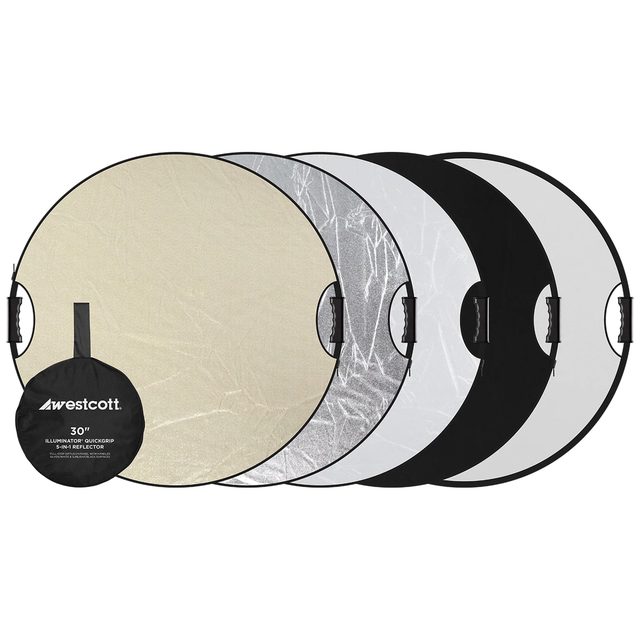
A reflector does a job no camera can: it puts light where the sun or the window doesn't. Westcott's Illuminator QuickGrip is a 30-inch (76 cm) disc that pops open from a 12.5-inch folded circle. The silver side bounces sunlight into the shadows on a face and adds contrast, the white side gives softer fill, the sunlight side adds warmth and the black side blocks stray light. Under the reversible cover is a diffusion disc that Westcott rates at one stop: held between the sun and a subject, it halves the light and softens hard midday shadows.
It works with any camera, phone included, because it never touches the camera. Westcott pitches the 30-inch size at portraits, small still lifes and one-person video, which covers a friend in the park as well as a bowl of fruit on the kitchen table.
The QuickGrip version adds two handles for holding and angling it with one hand. It weighs 1.1 pounds, has a spring steel frame, and folds to a third of its size into the carry case that comes with it.
The catches: someone has to hold it, so a photographer working alone will want a stand or a clamp, sold separately. And Westcott says its reflective surfaces can't be cleaned, so it's best kept off muddy ground.
Good
- Five surfaces: silver, white, sunlight, black, diffusion
- Works with any camera or phone
- Two handles; folds into its own case
Worth knowing
- Needs a helper or a stand for solo shoots
- Reflective surfaces can't be cleaned
All specs
- Size 30 in (76 cm)
- Weight 1.1 lb (0.5 kg)
- Folded 12.5 x 12.5 x 2.1 in
- Surfaces Silver, white, sunlight, black, diffusion
- Diffusion 1 stop
- Handles 2 QuickGrip handles
- Open size 32.5 x 31.5 in
- Frame Spring steel
- Case Included
- Item 1511
From fjwestcott.com, checked November 24, 2026.
4 For the one with cards in every pocket
Think Tank Secure Pixel Pocket Rocket V2 Memory Card Wallet, Black Slate
- SD or CFexpress Type A
- 12
- CFexpress Type B or CFast
- 6
- microSD
- Multiple
Paid link. We may earn a commission; your price is the same.
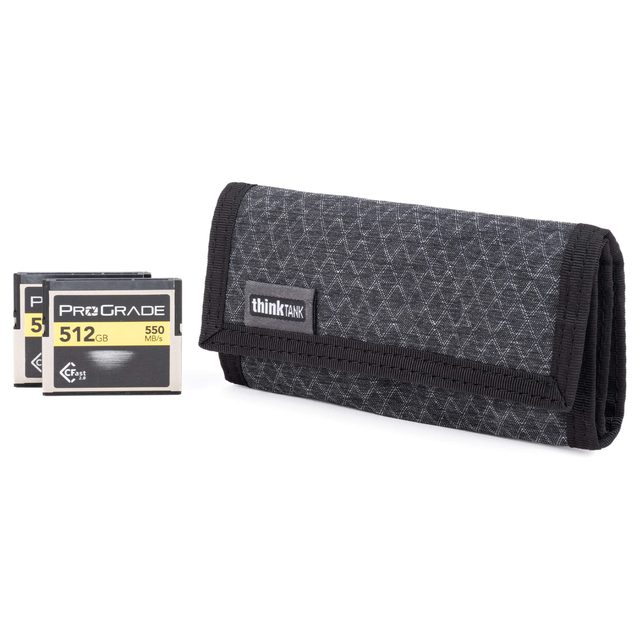
Memory cards are small, easy to lose and easy to mix up, so photographers who carry several keep them in a wallet. Think Tank's Secure Pixel Pocket Rocket V2 is the one to give when you don't know their card type: it holds 12 SD or CFexpress Type A cards, or 6 CFexpress Type B or CFast cards, or a pile of microSD cards, in zippered pockets that keep loose cards from slipping out.
Those are the common card types. SD is the card most cameras take; CFexpress and CFast are faster cards used in many high-end bodies; microSD goes in drones and action cameras. Because this wallet takes all of them, it doesn't need a peek inside their camera.
Folded, it's 5.25 by 2.75 by 1 inches, with a removable security lanyard and a loop for a belt or bag strap. The outside is a double ripstop fabric with a water-repellent (DWR) coating, there's a window for a name label, and Think Tank suggests flipping a card around in its slot once it's full. It comes in Black Slate, linked here, or Highland Green.
The catches: it holds cards but doesn't read them, so it won't get photos onto a computer. Someone who shoots on a phone, or never takes the card out of the camera, has no use for it. And if they only use SD cards, Think Tank's SD Pixel Pocket Rocket holds nine and lists for a little less.
Good
- Holds SD, CFexpress A and B, CFast and microSD
- Zippered pockets keep cards from falling out
- Pocket size, with a lanyard and belt loop
Worth knowing
- Holds cards; doesn't read them
- No use to a phone-only photographer
All specs
- SD or CFexpress Type A 12
- CFexpress Type B or CFast 6
- microSD Multiple
- Folded 5.25 x 2.75 x 1 in (13.5 x 7 x 2.5 cm)
- Closure Zippered pockets
- Outer fabric 320D double ripstop, DWR coating
- Extras Removable lanyard, belt attachment, ID window
- Colors Black Slate, Highland Green
- Item 740225 (Black Slate)
From thinktankphoto.com, checked November 24, 2026.
5 For the one still shooting on auto
Understanding Exposure, Fourth Edition, by Bryan Peterson (Paperback)
- Pages
- 176
- Format
- Paperback, 8.5 x 10.5 in
- Edition
- Fourth, March 2016
Paid link. We may earn a commission; your price is the same.
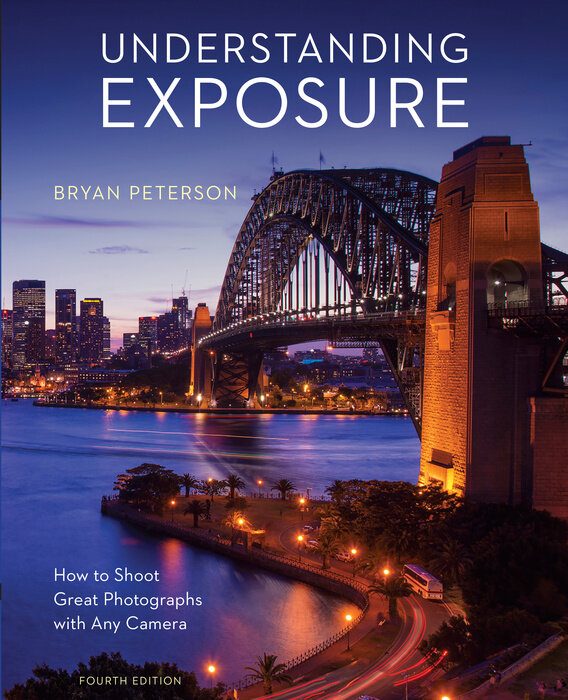
Plenty of people buy a good camera and leave it on automatic, because a camera manual lists the settings without explaining how they work together. Bryan Peterson's Understanding Exposure is now in its fourth edition, and its subtitle is why it belongs on this list: How to Shoot Great Photographs with Any Camera.
It explains light, aperture and shutter speed and how they affect one another, then how to get (or lose) sharpness and contrast, freeze action and take good meter readings in tricky light, before moving on to filters and flash. This 2016 edition has all-new photographs, a longer section on flash, tips on colored gels and advice on the long exposures that turn the night sky into streaks of light. Peterson is a professional photographer who founded the online Perfect Picture School of Photography.
It's the gift for someone still shooting on auto or a scene mode, or who knows the words aperture and shutter speed but not how to use them together. Those controls are on nearly every camera with interchangeable lenses, so nothing in it depends on a brand. It's a 176-page paperback, 8.5 by 10.5 inches.
The catches: it's about camera settings, so someone who shoots only on a phone will get less from it. And a photographer who already shoots in manual has probably outgrown it or owns a copy; for them, the next book is the better pick.
Good
- Explains aperture, shutter speed and light together
- Written for any camera, not one brand
- Fourth edition, with all-new photographs
Worth knowing
- Less useful to a phone-only photographer
- Old ground for someone who shoots in manual
All specs
- Pages 176
- Format Paperback, 8.5 x 10.5 in
- Edition Fourth, March 2016
- Covers Light, aperture, shutter speed, metering, filters, flash
- Author Bryan Peterson
- Publisher Amphoto Books
- ISBN-13 978-1-60774-850-2
From penguinrandomhouse.com, checked November 24, 2026.
6 For the one in a creative rut
The Photographer's Playbook, edited by Jason Fulford and Gregory Halpern (Paperback)
- Assignments
- 307
- Pages
- 427
- Format
- Paperback, 6 x 9.2 in
Paid link. We may earn a commission; your price is the same.
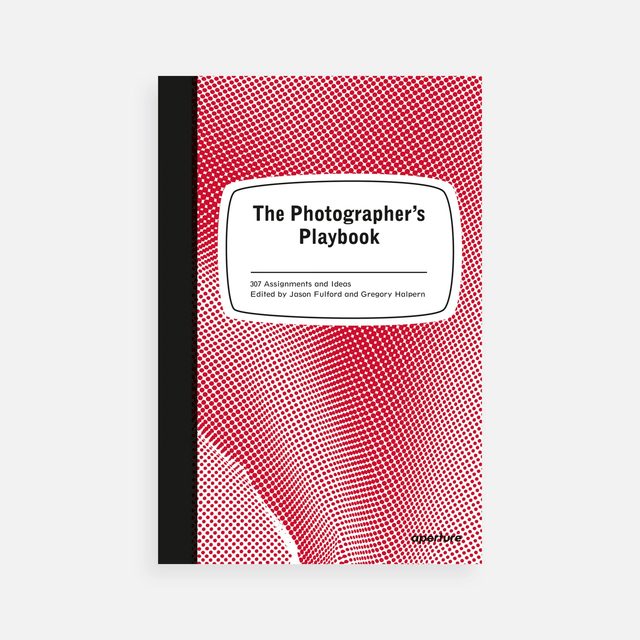
The Photographer's Playbook is a book of things to go and do with a camera: 307 assignments and ideas from photographers and teachers, gathered by the photographers Jason Fulford and Gregory Halpern and published by Aperture. The contributors include Stephen Shore, Alec Soth, Susan Meiselas, Tina Barney, Philip-Lorca diCorcia, Miranda July and Tim Walker, and the entries run from exercises in shooting and editing to games, stories and ways to start a new project.
That's why it fits any photographer: an assignment works the same with a phone, a film camera or the newest mirrorless body. It suits someone who has learned their camera and now wonders what to point it at, and Aperture pitches it for working alone or in a group, so it suits a photography class or club too.
It's a 427-page paperback, about 6 by 9 inches, with a subject guide for finding assignments by theme and a Polaroid alphabet by Mike Slack dividing the chapters.
The catches: it teaches no settings or technique, so a beginner who wants to get off automatic should start with Understanding Exposure. It's mostly text rather than a book of photographs to leaf through. And it came out in 2014, so a photographer who has taken classes may already own it.
Good
- 307 assignments that work with any camera or phone
- Ideas from well-known photographers
- Works alone or in a class or club
Worth knowing
- No technique: not for getting off auto
- Mostly text, not a picture book
All specs
- Assignments 307
- Pages 427
- Format Paperback, 6 x 9.2 in
- Published June 2014
- Editors Jason Fulford, Gregory Halpern
- Publisher Aperture
- ISBN-13 978-1-59711-247-5
From store.aperture.org, checked November 24, 2026.
7 For the stocking, and the rain
OP/TECH USA Rainsleeve, Original, 2 Pack (9001132)
- In the pack
- 2 sleeves
- Fits up to
- 18 in long, 7 in across
- Opening
- Drawstring with barrel lock
Paid link. We may earn a commission; your price is the same.
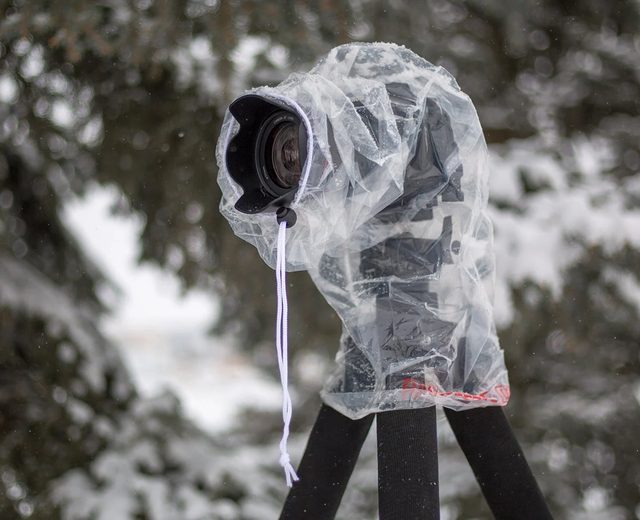
A clear plastic sleeve is the simplest way to keep shooting when the weather turns. Op/Tech's Rainsleeve slips over the camera and lens, closes around the front of the lens with a drawstring and a barrel lock, and has an opening for the viewfinder's eyepiece, so the photographer looks through the lens rather than through plastic. The controls stay visible and usable, and it works handheld or on a tripod, with the tripod mount pushed through the plastic. Op/Tech pitches it against rain, snow and sand.
Size is the one detail. The Original, linked here, fits a camera and lens up to 18 inches (45.7 cm) long and 7 inches (17.8 cm) across. Op/Tech also makes a Small (up to 8 inches long), a Flash version with room for a flash on top of the camera, and a Mega (up to 25 inches). Measure their camera with its longest lens on and you'll know which.
It comes as a reusable pair, folds small enough for a pocket and lists at the bottom of this budget, which makes it a stocking stuffer or an easy add-on to anything else here.
The catches: it's a shield against the weather, not a housing for use in water. Op/Tech says its eyepiece opening adapts to most viewfinders, which isn't quite all of them. And it's no use for a phone.
Good
- Two reusable sleeves in the pack
- Eyepiece opening: compose through the viewfinder
- Handheld or on a tripod
Worth knowing
- A rain cover, not an underwater housing
- Pick the size by their longest lens
All specs
- In the pack 2 sleeves
- Fits up to 18 in long, 7 in across
- Opening Drawstring with barrel lock
- Viewfinder Eyepiece opening
- Use Handheld or on a tripod
- Protects from Rain, snow, sand
- Other sizes Small, Flash, Mega
- Item 9001132
From optechusa.com, checked November 24, 2026.
How we chose
Each gift lists at or under $50 on its maker's or publisher's own store, at the regular price. The other rule was the title's promise: each one has to work with whatever camera they own. Gear that depends on the brand or the lens, like a battery, a remote or a filter, is the kind of gift that stays in its box, so it stayed out. Where a pick depends on one small detail, its notes say which.
The gear comes from makers that build mainly for photographers (LensPen, Peak Design, Westcott, Think Tank and Op/Tech), and the books from Amphoto Books, sold by Penguin Random House, and from Aperture. We chose from their published specifications and descriptions. We haven't held or used these products, and where a maker leaves out a number, so do we.
How to find their card, lens and strap details
Each takes a few seconds with the camera in your hands, switched off.
- Memory card: open the card door on the side or bottom of the camera (on some cameras it's behind the battery door). The card's label names its type, such as SD, microSD or CFexpress, and carries speed symbols such as U3 or V30. The SD Association says those symbols mark a card's minimum writing speed, and that a card with the same or a higher symbol than the camera asks for suits it. Buying the same card they already use is the safe move.
- Filter thread: a number in millimeters, such as 58 or 77, printed on the front of the lens, often next to a ø sign. Nikon's guide to filters says to look there or in the lens's manual. Each lens can have its own size, so check the one they use most.
- Strap loop: the metal loop or slot on the side of the camera where the current strap attaches. Peak Design's Anchors loop through it.
- Longest lens: for a rain cover, measure the camera with its biggest lens on. The Original Rainsleeve fits up to 18 inches long.
If any of these is a mystery, choose a gift that needs none of them: the cleaning kit, the reflector, the card wallet or either book.
If they shoot on a phone
Three picks work as well with a phone as with a camera: the reflector, which never touches the camera; the LensPen kit, whose small MicroPro pen suits a phone's camera lenses; and The Photographer's Playbook, whose assignments don't care what took the picture. Understanding Exposure helps less, since a phone gives far less control over aperture and shutter speed. The strap, the card wallet and the rain sleeve are for cameras. Phone lenses and mounts stay out: each fits particular phones. For gifts aimed at phones and desks, see our tech gifts under $50.
What we left out, and why
Memory cards themselves: the right one depends on the type and speed class the camera takes, and a wrong guess won't fit or won't keep up. If you can see the card in their camera, more of the same is a useful gift. Filters stay out for the same reason, since each screw-on filter fits one thread size.
Mini tripods. Joby's GorillaPod 1K Gen 2 lists under $50 on Joby's own store, but we couldn't match it to an Amazon listing that names the Gen 2, and we couldn't find the older 1K Kit on Joby's store. Manfrotto's US site shows no price for its PIXI.
Peak Design's Leash, the sling and neck version of the Cuff, lists under $50 too and adds an Anchor Mount for the bottom of the camera, but we couldn't settle on one Amazon listing that names both its current version and its color. Giottos' own site had no product pages we could read, so its Rocket blower is out; LensPen's Hurricane Blower is a blower with a maker's price. Lume Cube's Panel Mini, a pocket LED light, lists above $50 at its regular price. Remote releases and spare batteries are made for particular camera brands, and a bag has to fit their gear. For small extras, see our stocking stuffers under $15.
Questions people ask
What is a good gift for a photographer under $50?
One that works with any camera: a lens-cleaning kit like LensPen's DSLR Pro Kit, a wrist strap that attaches to any camera's strap loop like Peak Design's Cuff, a 5-in-1 reflector, a card wallet that holds every common card type, or a book such as Understanding Exposure. Every gift in this guide lists at or under $50 on its maker's or publisher's store.
What are good gifts for photographers under $25?
Op/Tech's Rainsleeve two-pack, Think Tank's Secure Pixel Pocket Rocket card wallet and The Photographer's Playbook all list under $25 on their makers' and publisher's stores. The wallet holds every common card type, so you don't need to know which one their camera takes.
How do I find out what memory card a camera uses?
Open the card door and read the card's label: it names the type (SD, microSD, CFexpress) and shows speed symbols such as U3 or V30, which the SD Association says mark a card's minimum writing speed. A card of the same type with the same or a higher symbol suits the camera.
How do I find a lens's filter size?
Look at the front of the lens: the filter thread size is printed there in millimeters, often next to a ø sign, and it's in the lens's manual too. Each lens can take a different size, so check the one they use most before buying a filter.